A machine has run for another thousand hours. Does that mean a replacement part will be ordered soon?
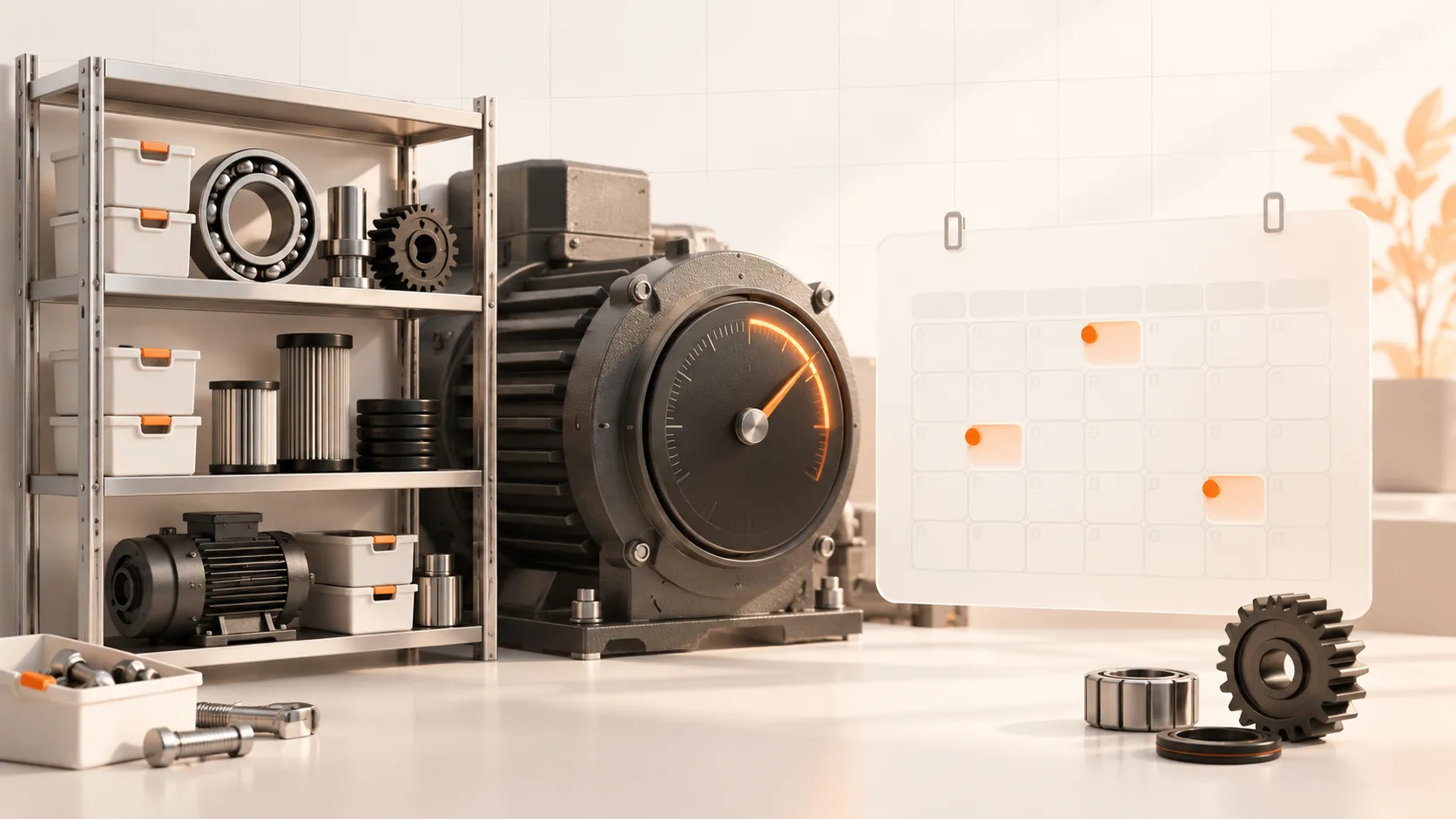
Possibly. It depends on the component, duty, maintenance history, installed configuration, and who supplies the part. A runtime counter becomes useful for spare parts forecasting when those records can be connected.
Start with a transparent planning method for a small group of parts. You can learn a great deal before introducing a complex predictive model.
Separate consumption from sales
Your order history records the business you won. It may not record a part fitted from customer stock, purchased from another supplier, or supplied under a different article number.
Likewise, an order does not prove a part was fitted immediately. It may have gone onto a shelf.
Keep the distinction visible. Use service reports and confirmed usage where available, and describe a sales-based estimate as such. Otherwise, you can mistake missing commercial data for unusually reliable equipment.
Build the machine context
For the pilot population, gather four kinds of records:
- Machines in service, with relevant configuration and status.
- Runtime or other exposure measures appropriate to the component.
- Maintenance and confirmed failure history.
- Parts orders, fitted parts, and available stock information.
Agree how records join. Check replaced runtime counters, missing logging periods, retired machines, retrofits, and superseded part numbers.
Different mechanisms need different exposure measures. Some wear relates to cycles or load; other replacement needs depend on calendar age, environment, or an approved maintenance schedule. Runtime is an input, not a universal explanation.
Start with planned maintenance demand
For parts used in scheduled work, begin with the actual schedule and confirmed service bookings.
Identify which machines are expected to reach the relevant interval during the planning horizon, then apply the approved parts list for the task. Account for jobs already completed, customer stock, and realistic booking dates.
This produces a planning estimate. Even a contract does not make consumption perfectly certain: customers can reschedule work, machines can stop, and inspection findings can change the scope.
Compare a simple usage estimate
For a part with a plausible relationship to operating hours, calculate historical confirmed consumption per unit of runtime for a comparable group.
For example, an illustrative rate of 0.06 parts per 1,000 hours across 800,000 expected hours gives 48 parts. That is arithmetic based on an assumed stable rate, not a claim about any particular machine.
Back-test the method using earlier data to predict a later period. Compare it with a straightforward historical-sales baseline. If the more detailed method does not improve decisions, investigate the data and assumptions before adding complexity.
Turn the estimate into a stock decision
A forecast is only one input to inventory planning. Lead time, minimum order quantity, repair options, storage cost, criticality, and the consequence of a stockout also matter.
Treat slow, irregular demand separately from regularly consumed items. For sparse histories, review the uncertainty with the parts and service teams rather than reporting a precise monthly number that the evidence cannot support.
Measure stockouts, urgent purchases, unused stock, and planning effort alongside forecast error.
Improve the records at the service task
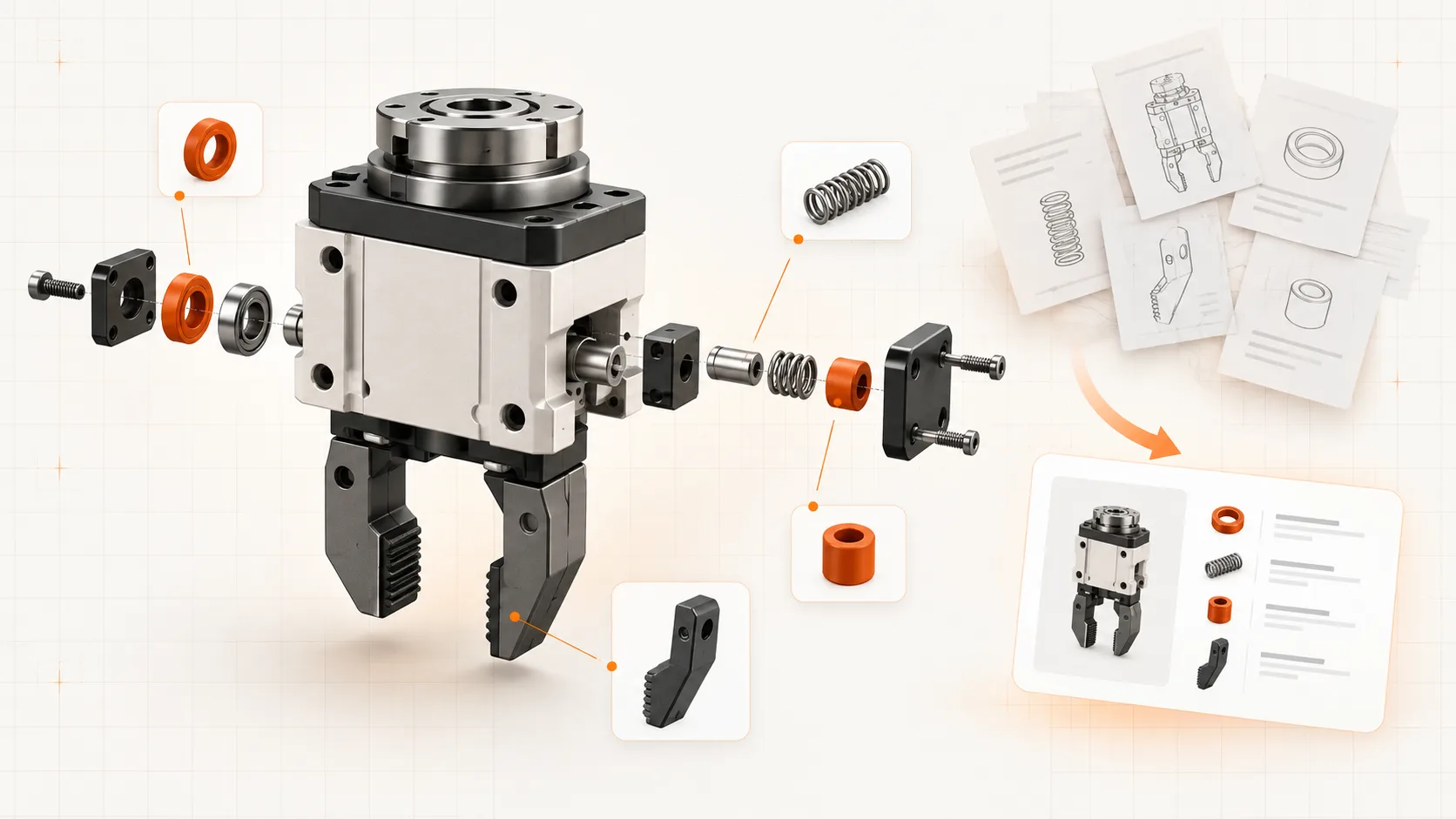
A catalog with confirmed identifiers helps a technician select a part. A procedure with a parts list helps define expected usage. A completed service record can capture what was actually fitted.
Those records only become forecasting inputs if the workflow retains the machine identity and relevant transaction details. Publishing documentation alone does not create a consumption history.
Soply supports the documentation foundation: manuals, maintenance procedures, and parts catalogs. The forecasting and inventory policy should be evaluated as a separate planning process.
Start with one product line and establish the part mappings your future forecasts will depend on.