Ask your service team which part customers struggle to identify. They will probably have an answer before you finish the question.
Now ask where the customer is meant to find that answer. It may be in a manual, a drawing, a spreadsheet, or an engineer’s memory. Each extra handoff makes a routine service task harder than it needs to be.
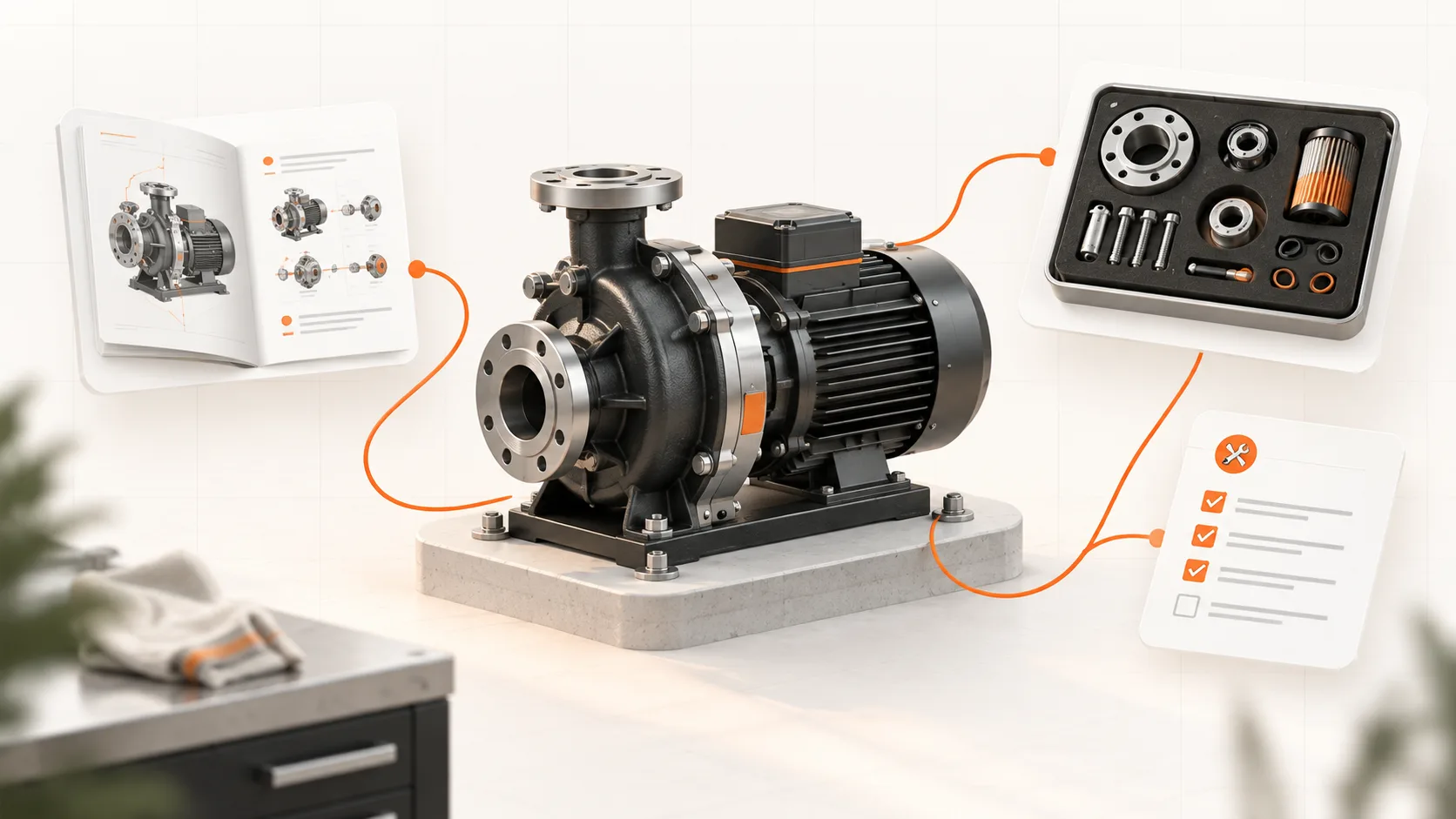
Service documentation for machine builders includes manuals, maintenance procedures, troubleshooting information, and parts catalogs. Done well, it helps customers use and maintain equipment while giving the OEM a more manageable way to support its installed base.
Follow a customer task from beginning to end
Consider a technician planning a replacement on a known machine. They need to establish the applicable procedure, confirm the component, find the correct part number, and understand how to request it.
If those answers are scattered, the technician becomes the person connecting your systems. They may ask support, delay the work, or buy elsewhere.
Documentation cannot solve every cause of lost business. Price, stock, lead time, and service quality matter. But it can remove avoidable uncertainty at the moment a customer is trying to act.
Give parts enquiries better information
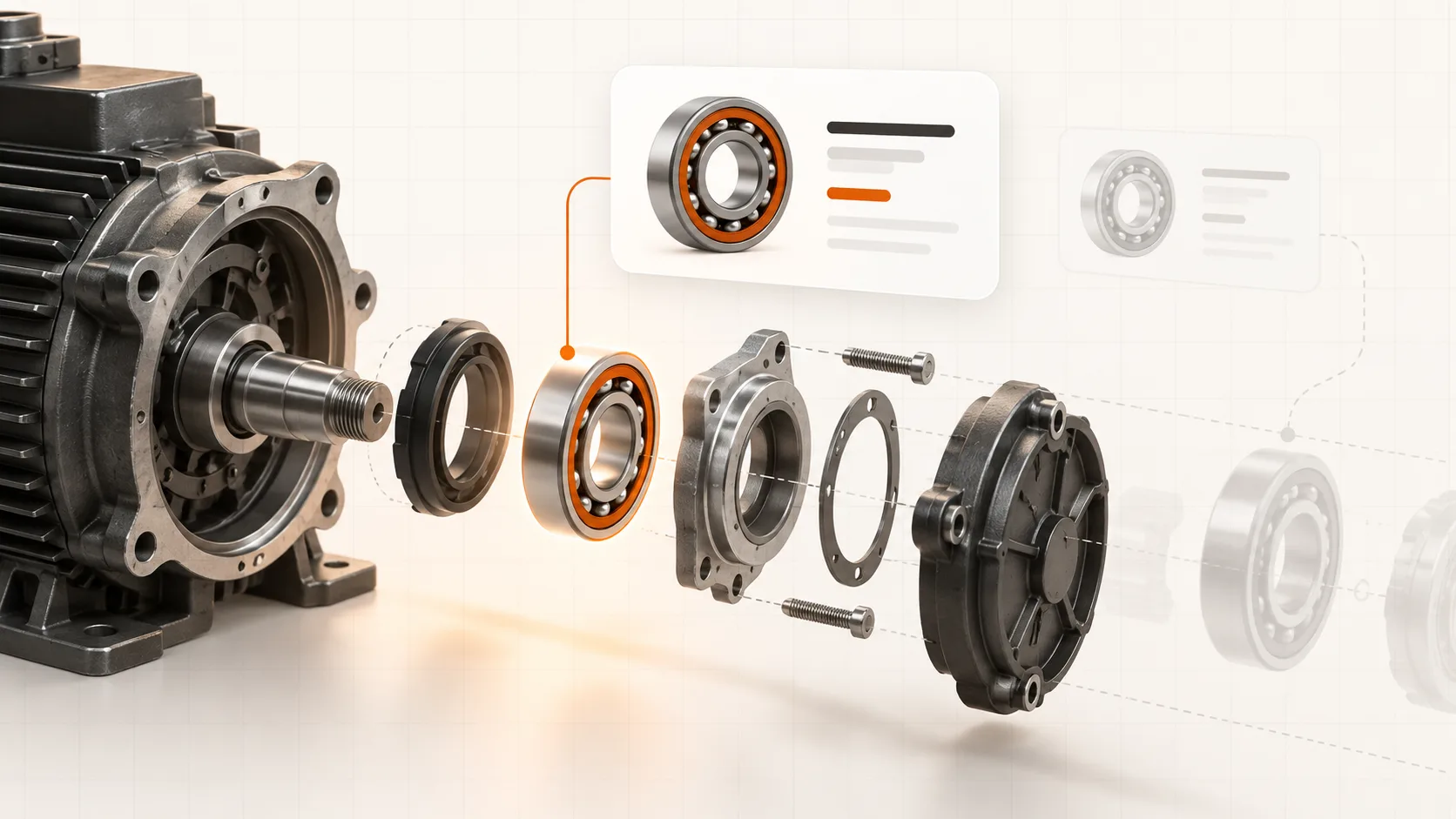
A useful catalog combines visual identification with verified part data and machine applicability. It also gives the customer a clear next step.
That may be an online order or a quote request. What matters is that the machine, configuration, and selected part reach the right team without another round of basic questions.
Check enquiries that required photographs or engineering clarification. They show where the catalog needs a better view, a clearer description, or a corrected configuration record.
Make maintenance offers concrete
A service contract is easier to explain when the technical scope exists: approved intervals, defined tasks, required parts, and completion records.
Sales can show what a planned visit covers. Service can estimate the resources. The customer can compare the offer with the work their own team intends to perform.
The documents support the offer; they do not replace capacity planning, pricing, or suitable contract terms. Keep technical and commercial owners involved.
Reduce repeat questions without making support harder to reach
Repeated requests for the same specification or instruction are worth reviewing. Sometimes the content is missing. Sometimes it is correct but difficult to find or unsuitable for the machine being supported.
Publish the approved answer where customers already look, using the terminology on the machine or its interface. Include applicability and a clear route to service when the issue falls outside the instruction.
Measure repeat contacts and successful resolution, not just whether a portal page was opened. Customers should find appropriate help faster, including human help when they need it.
Build documentation into machine delivery
The handover plan should name the required documents, source owners, reviewers, target languages, and release date.
Start reusable material early. As the build changes, route the affected content through review. Before release, check the documentation against the delivered configuration and the agreed customer requirements.
A shared workflow for CAD, parts records, process recordings, and existing files can reduce copying. It still needs engineering judgment and release control.
Give the work shared ownership
Technical authors bring structure and clarity. Engineering verifies the machine facts. Service brings evidence about customer tasks. Commercial teams understand how parts and maintenance offers are fulfilled.
Choose a small set of measures they can review together:
- Time and clarification needed to identify a part.
- Repeat support contacts for selected topics.
- Documentation readiness at handover.
- Effort to review and release a representative change.
These measures connect documentation work to operational results without pretending every sale or avoided ticket came from a manual.
Start with a product line that produces real questions
Soply brings manuals, service procedures, parts catalogs, and customer delivery into one documentation platform.
For the first pilot, choose a supported product line with accessible engineering sources and recurring service questions. Build enough content for a technician to complete a real lookup, then test an update.
Book a demo with those questions and source files. A working example gives engineering and service something concrete to improve together.