A customer asks for a replacement part. Your team asks for the serial number, then a photograph, then a detail from the nameplate. By the time the quote is ready, the customer has already found another supplier.
That is one way spare parts revenue can leave an OEM. Others are harder to address: price, stock availability, delivery time, local relationships, or a customer’s purchasing policy.
Spare parts leakage describes demand from your installed base that is supplied elsewhere. Better documentation can help with identification and confidence. It should be one part of the service improvement, not an explanation for every lost order.
Find the point where the enquiry stalls
Review a small set of recent lost or abandoned parts enquiries with the people who handled them.
Was the part unclear? Did the catalog show a different configuration? Was the quote slow? Was the item unavailable? Did the customer explicitly choose a cheaper alternative?
Keep those reasons separate. A better drawing cannot shorten an unavailable component’s lead time. A stock investment will not fix a catalog entry that points to the wrong article.
Where the reason is unknown, say so. An absent order is not evidence that a competitor made the sale.
Make identification less dependent on personal knowledge
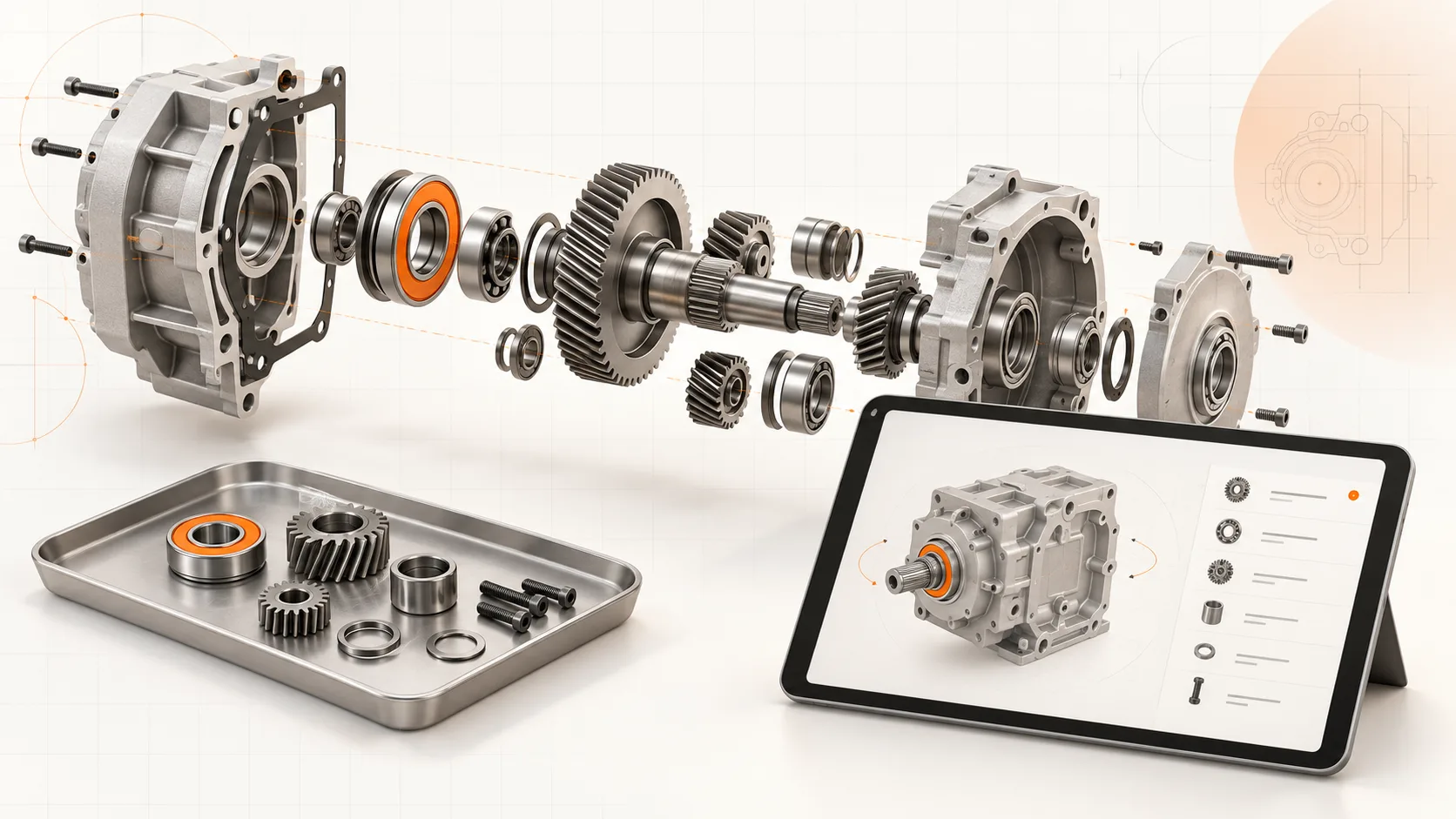
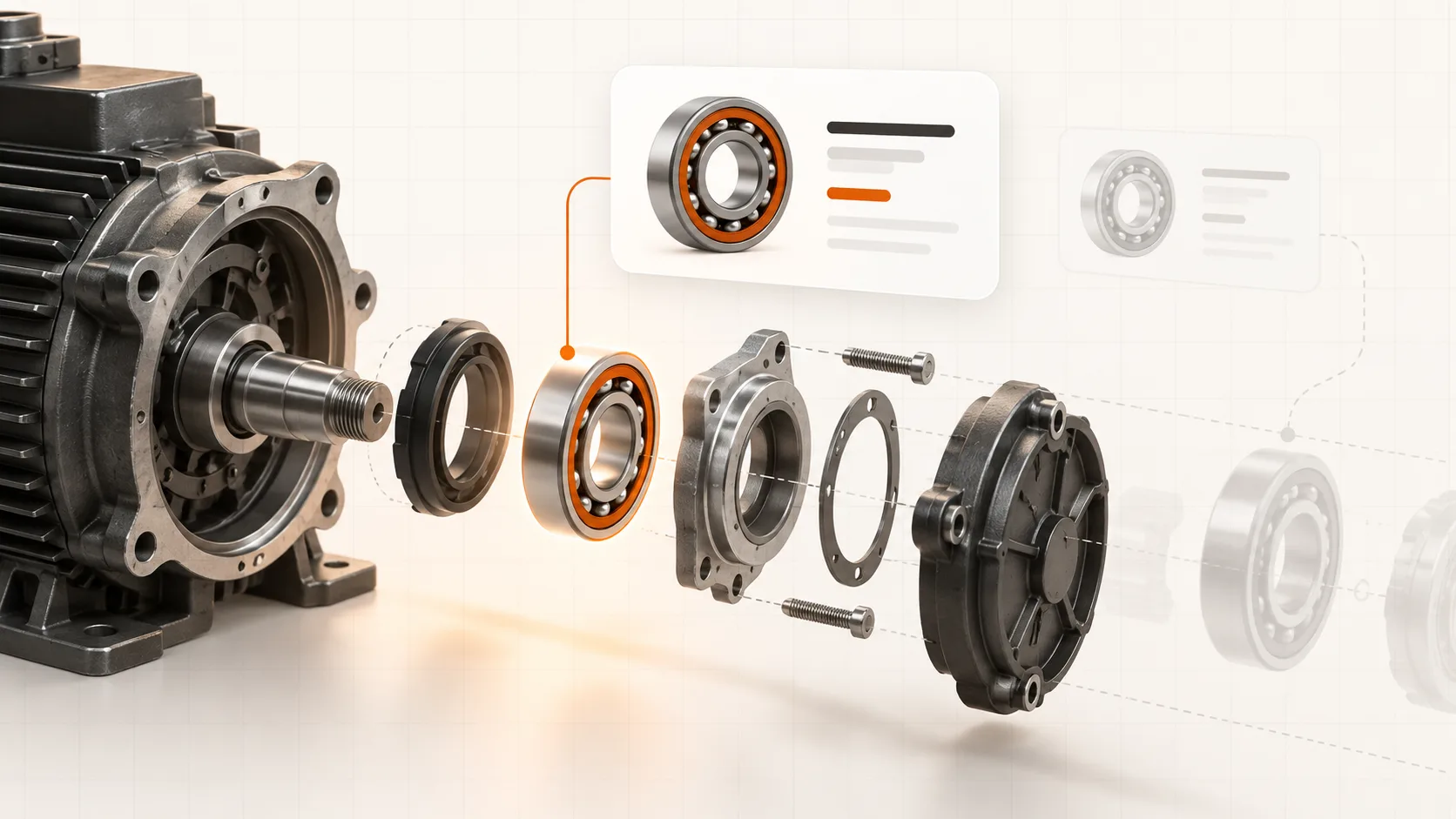
A useful parts reference lets a technician recognize the assembly, distinguish the component, and find its verified article number.
For complex machines, interactive views can help users rotate or isolate an assembly. For simpler equipment, a clear illustration and parts list may be enough. Choose the format that makes the task easier.
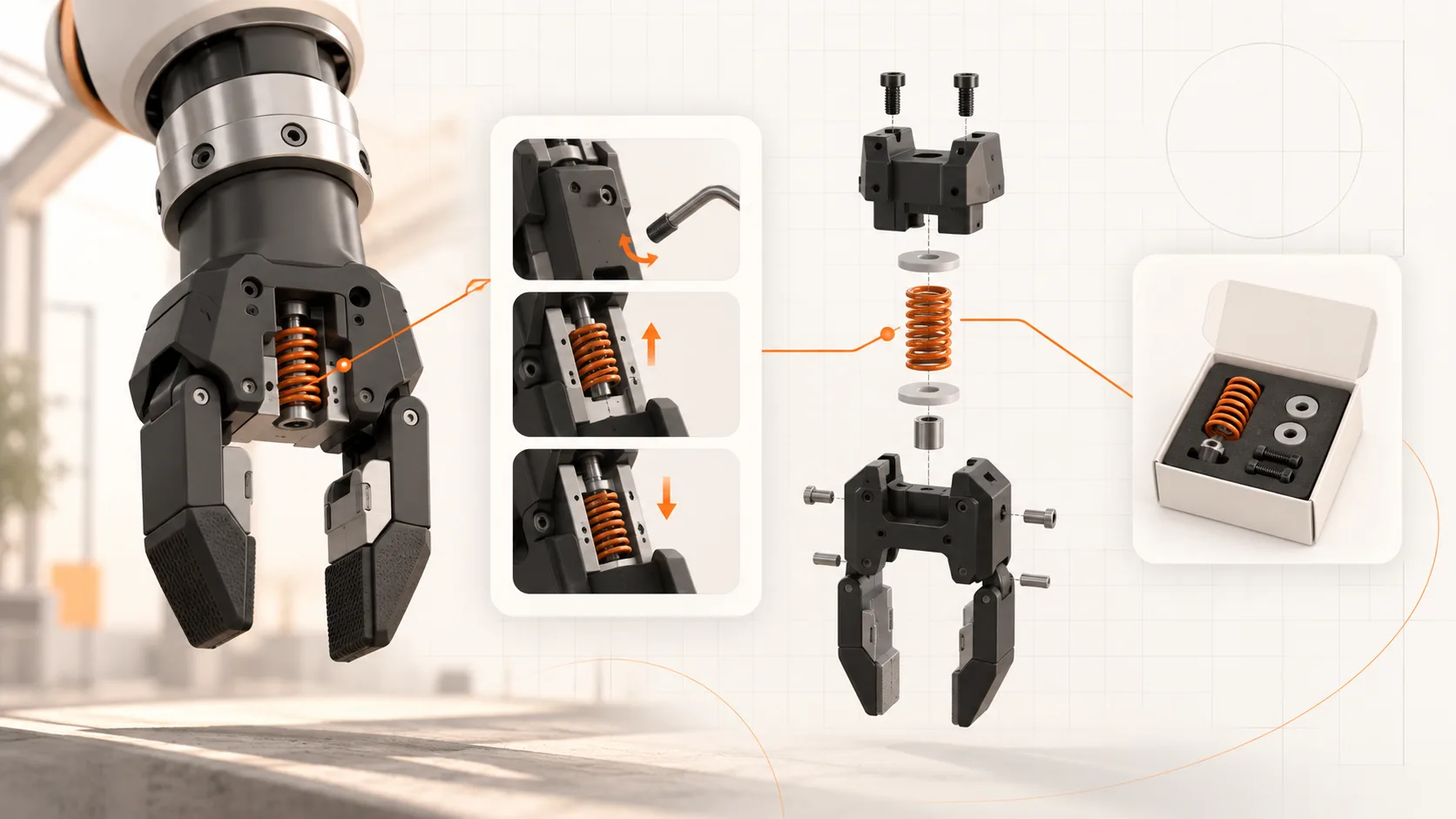
Check common ambiguity: similar-looking cylinders, seals with different specifications, a complete assembly versus its repair kit, and a supplier reference that differs from your sellable article.
Match the catalog to the machine
A technically correct catalog for the current design may still be wrong for a unit delivered three years ago.
Show applicability clearly. Connect the machine identity to its relevant configuration, and record confirmed retrofits and substitutions. Explain supersessions where customers may have an older part number.
If the mapping is uncertain, make the enquiry route easy and carry the known information with it. A cautious, well-formed request is better than a confident wrong-part order.
Give the customer a practical next step
After identification, the customer needs an order, quote, or service route that your team can fulfil.
Include the selected part and machine context automatically where supported. Be clear about stock, expected response, and any need to confirm compatibility. If commercial data comes from another system, define who keeps it current.
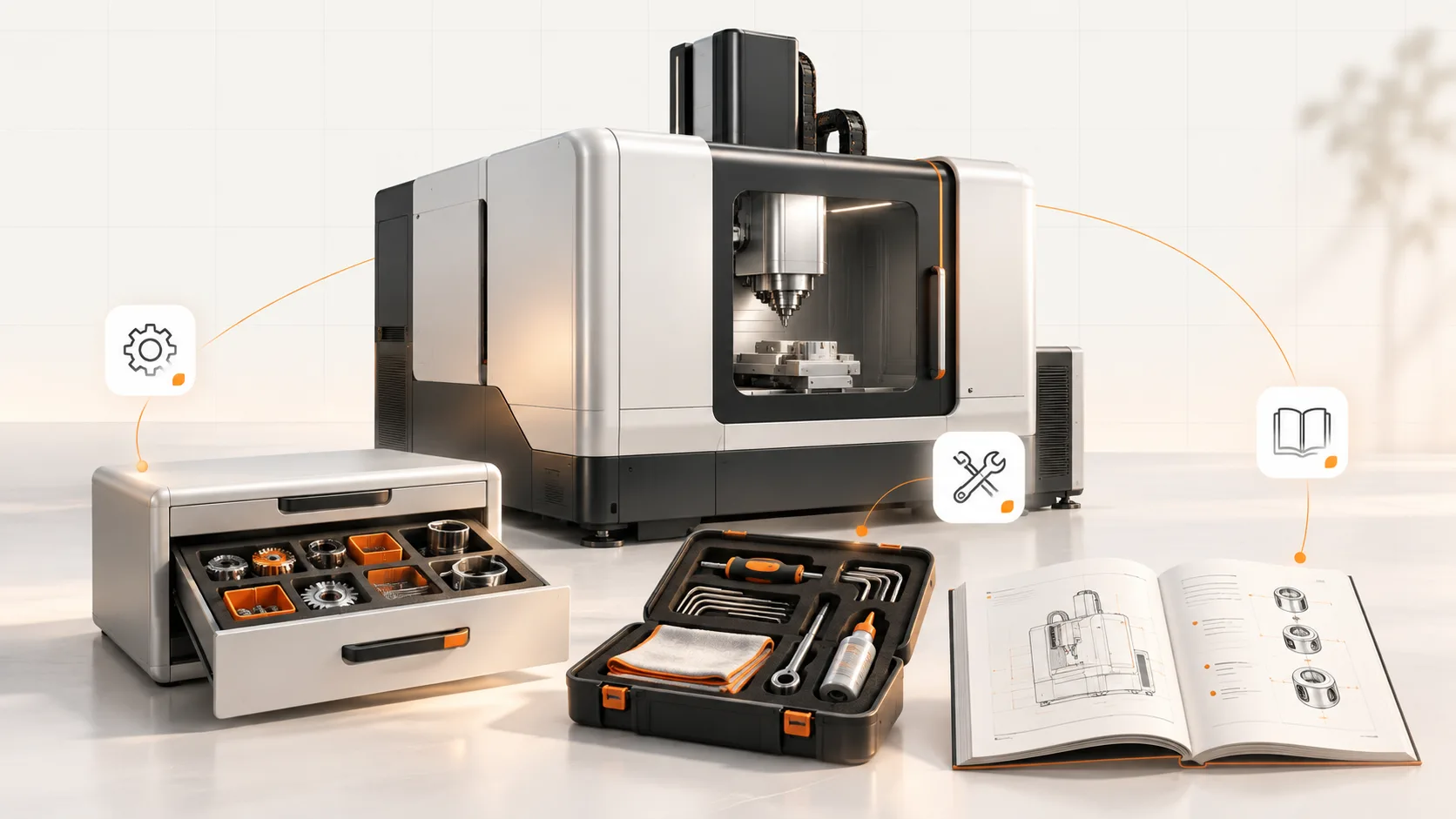
Keep related maintenance instructions nearby. The customer may be planning a job rather than shopping for one isolated component, which makes the relevant service kit or approved procedure useful.
Measure the change without inventing a leakage rate
For a pilot product line, record enquiry-to-quote time, clarification rounds, wrong-part returns, quote conversion, and sales per active machine.
Interpret those measures alongside usage, fleet age, pricing, availability, and changes in sales effort. A customer that did not order this year may have stock, may be running less, or may have retired the machine.
If you want a capture-rate estimate, define the total addressable demand and explain how it was estimated. Dividing your sales by an unsupported assumed market creates a precise-looking number with little value.
Test the lookup customers find difficult
Choose a recurring part enquiry and improve the whole path: identify the machine, find the part, confirm applicability, and submit the request.
Soply connects parts catalogs with the wider customer documentation set. Bring a few difficult enquiries to a demo, and use them to define a pilot your parts team can measure.