A machine can remain in service long after the original sale. During that time, its owner needs parts, maintenance, repairs, and sometimes upgrades.
That creates an aftermarket opportunity for the machine builder. It does not mean every OEM should expect the same share of revenue from service.
Before setting a target, look at the installed base and the work customers are already paying someone to do.
Use benchmarks as context
BCG's 2025 aftermarket research reports a service revenue share of around 33% for equipment manufacturers and 17% for component and subsystem makers. Its survey covered approximately 100 industrial machinery companies with average annual revenue above $2 billion. Those figures describe that sample, rather than a universal target for every machine builder. BCG aftermarket research.
Business mix matters. A builder of long-lived, service-intensive equipment faces a different opportunity from a supplier whose products are inexpensive to replace.
Revenue share can also rise because new-equipment sales fall. Track absolute aftermarket revenue and profitability alongside the percentage.
Map the opportunity by machine family
Start with the machines still operating, their age, customer, location, and configuration. Where data is incomplete, record the uncertainty.
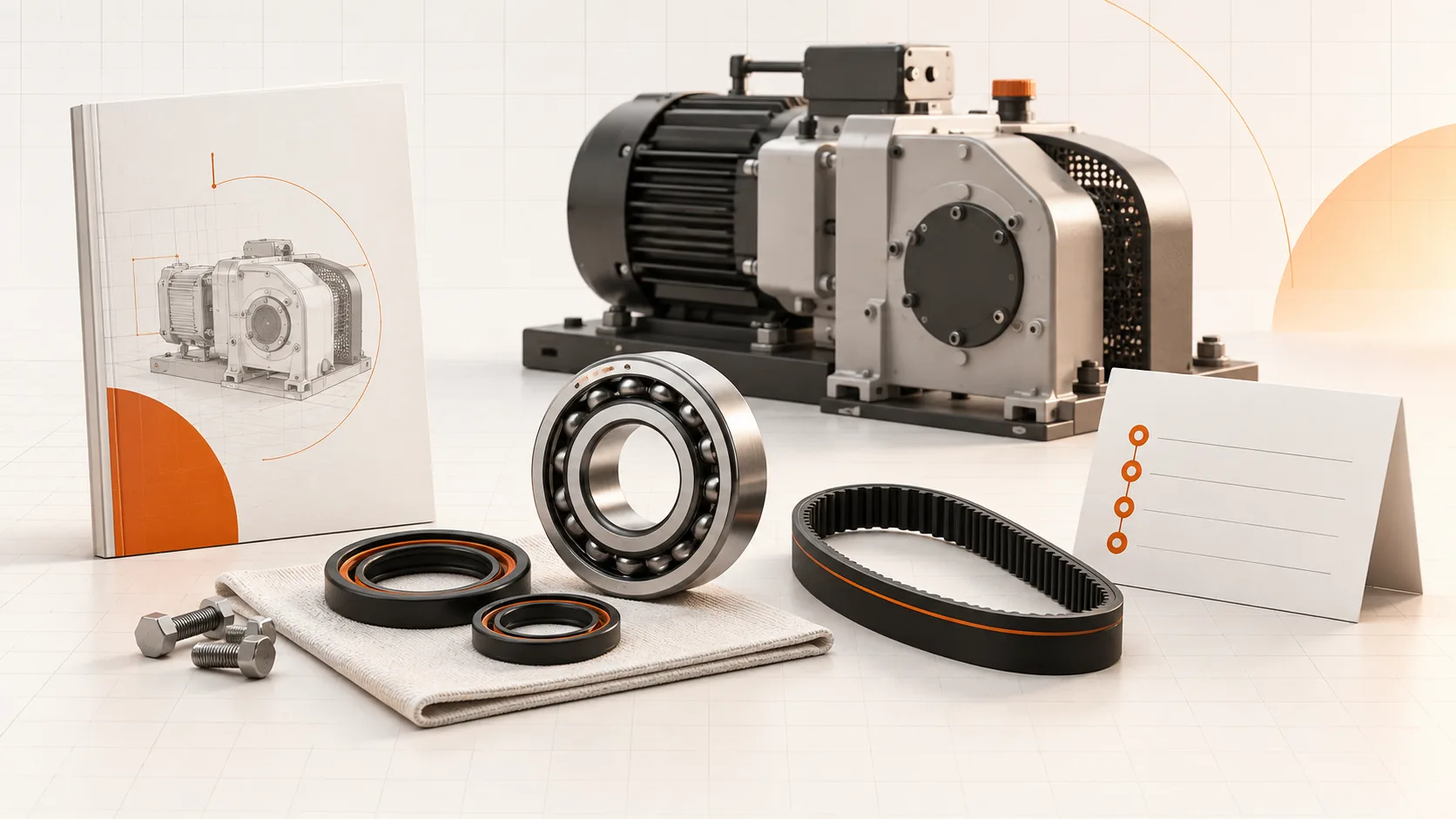
Then identify recurring needs: wear parts, planned maintenance, inspections, remote support, repairs, and upgrades. Separate work the customer performs internally from work they want the OEM to deliver.
A large installed base is useful only if the team can reach its owners with a relevant offer. Outdated contacts and missing configuration records can make even a straightforward parts campaign difficult.
Understand the cost to serve
Aftermarket revenue is not the same as aftermarket margin.
Include the costs of parts, stock, shipping, service labor, travel, support, warranty obligations, and any partners involved. Allocate shared costs consistently enough to compare offers.
A maintenance agreement may produce recurring revenue while consuming more engineering time than expected. A parts sale may look attractive until identification work, expedited delivery, and returns are included.
Use actual service records to understand where time goes before expanding the offer.
Make routine purchases easier
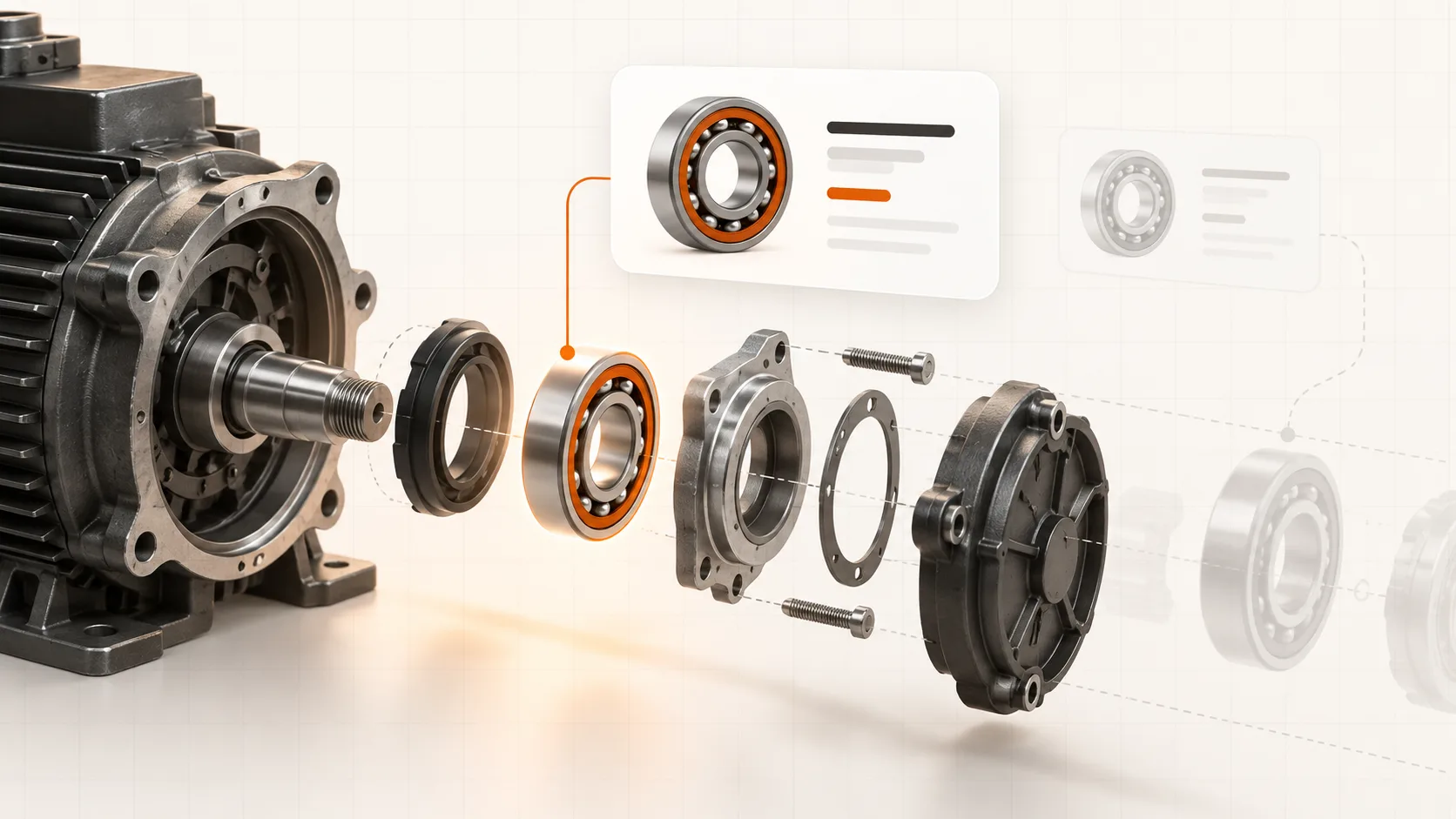
A customer who cannot identify a part may send photographs, call an engineer, or find another supplier. Clear parts references and machine-specific documentation remove some of that friction.
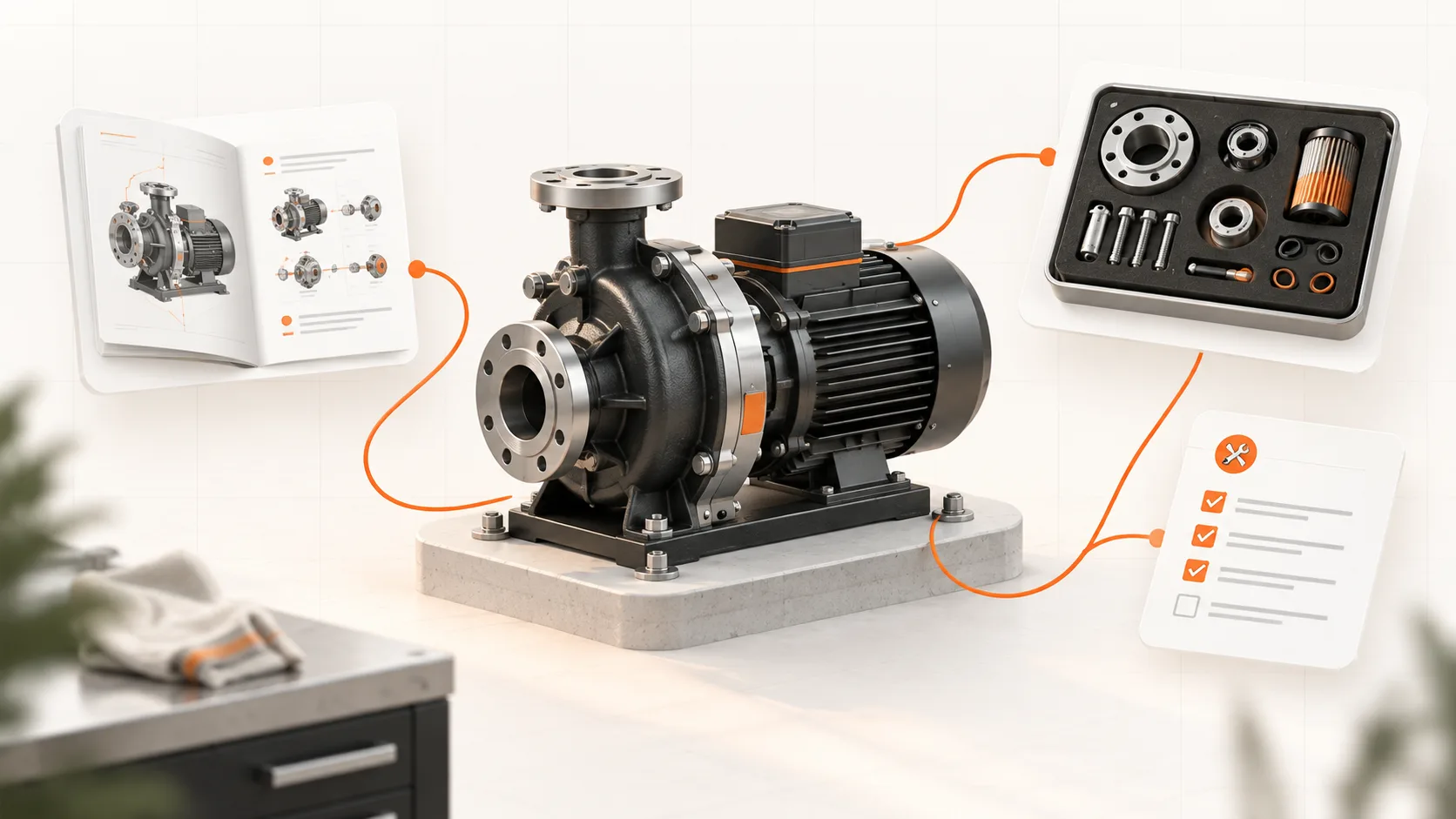
Connect common maintenance tasks to the applicable replacement parts. Show how to request a quote or get help with uncertain identification. Explain what information is needed before an order can be confirmed.
Documentation supports that buying process. It cannot compensate for an unavailable part, an uncompetitive delivery promise, or a service offer the customer does not need.
Build one offer around a defined job
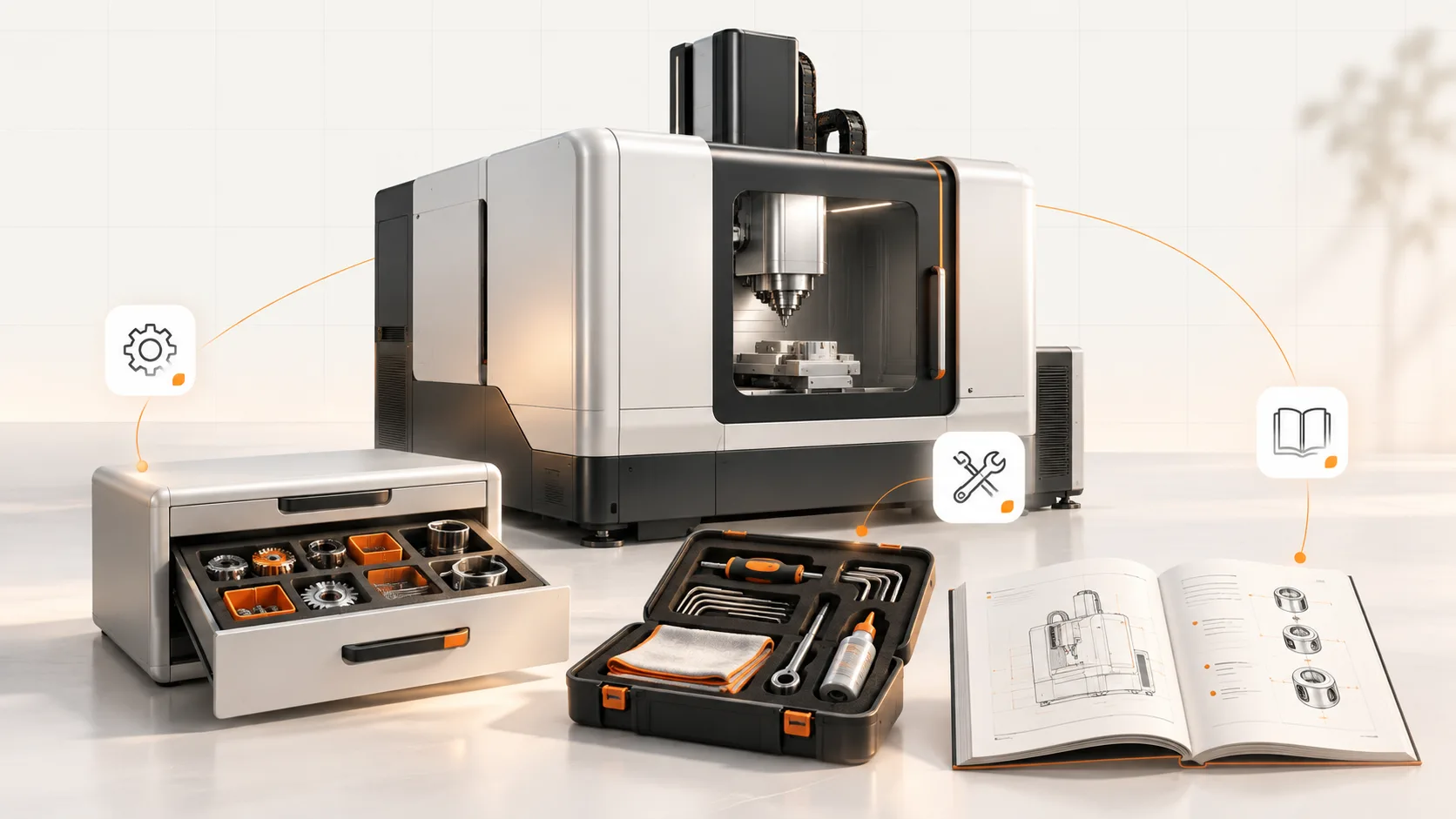
Choose a machine family and a recurring service need. Define the work, interval or trigger, included parts, responsibilities, exclusions, and escalation route.
Prepare the instructions and service records needed to deliver it consistently. Check whether your team and partners have the capacity to fulfill the promise.
A limited rollout will reveal questions that a spreadsheet misses: access restrictions, travel requirements, customer competence, and variations between installed machines.
Measure repeatable progress
Track uptake, renewal, contribution after service costs, support effort, parts returns, and customer feedback. Compare similar machines and customers where possible.
The first useful outcome may be fewer ambiguous parts requests or a service job that can be completed with less engineering intervention. Those improvements create a better basis for expansion.
Soply can help organize the manuals, parts information, and procedures that support an aftermarket offer. Explore the workflow for your installed base, starting with one service need you can define and measure.