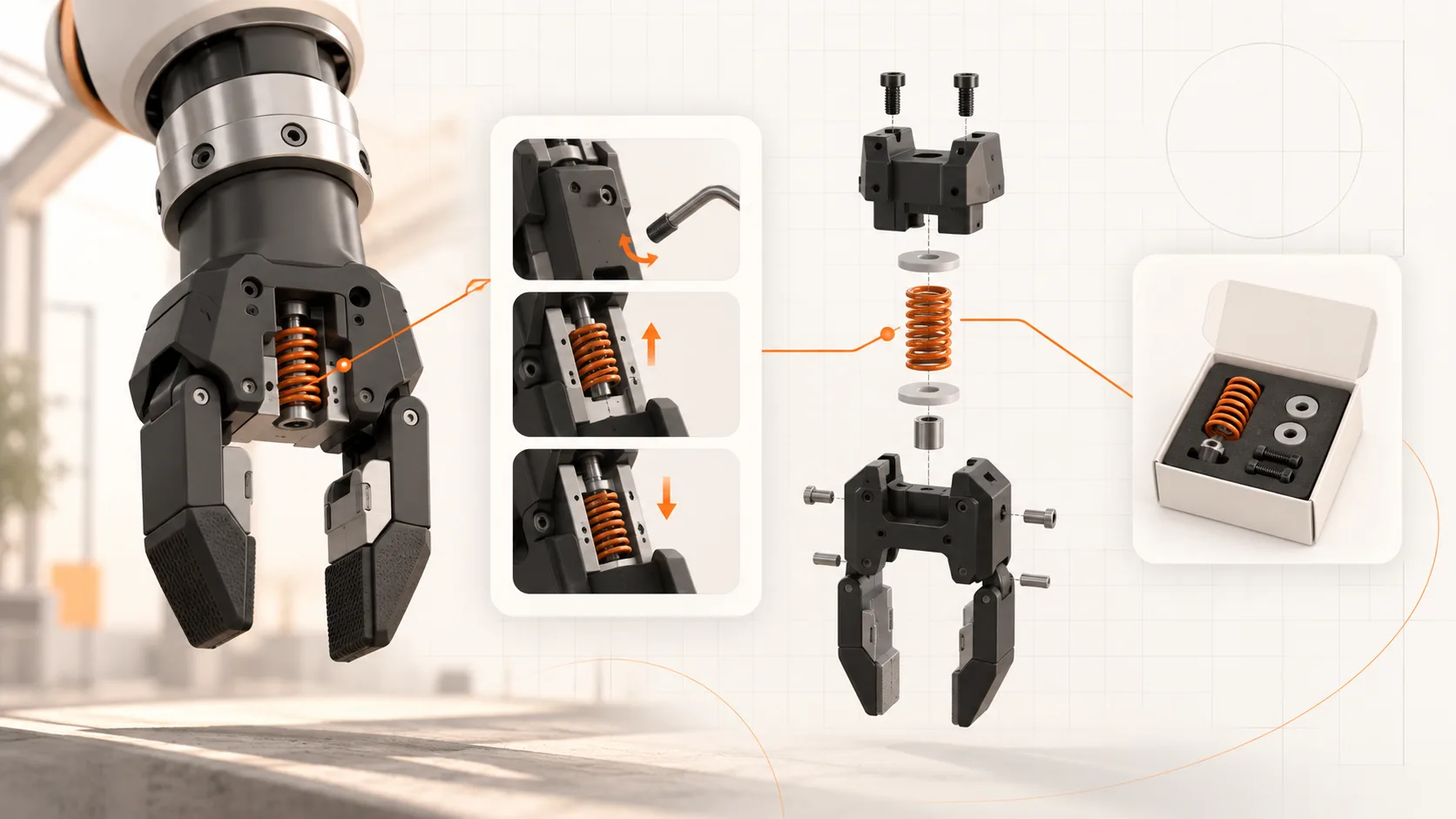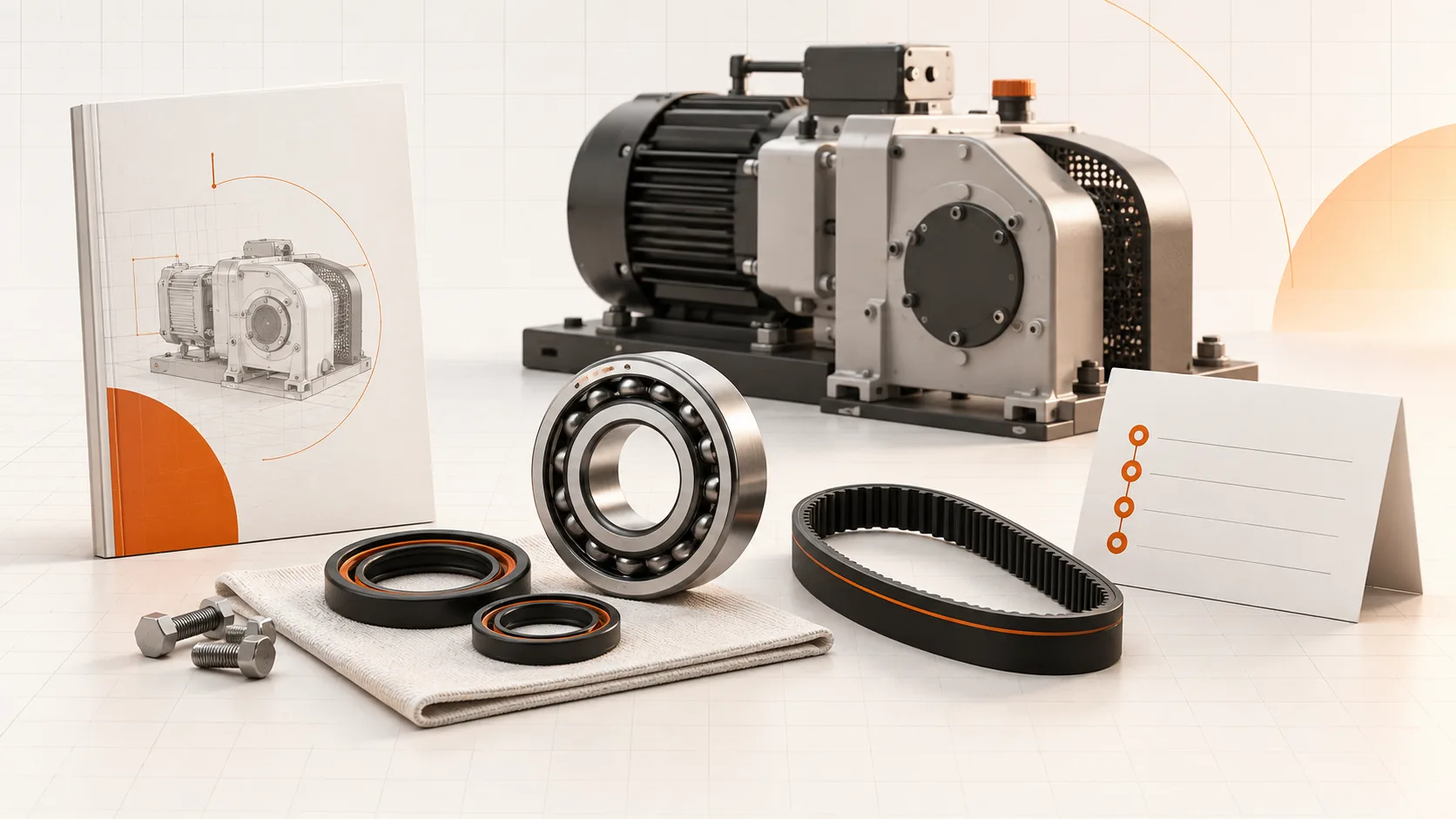
“Preventive maintenance included” is easy to put in a proposal. A customer still needs to know what it means.
Which tasks are covered? How often will they happen? Who supplies the parts? What must the customer prepare? What happens when the technician finds something outside the agreed scope?
Good maintenance documentation makes those questions answerable. It gives sales a concrete offer to explain and gives service a basis for planning the work.
Start with a defined maintenance task
Choose a product line you know well and a service activity you already perform. Bring the approved maintenance schedule, service reports, relevant parts information, and the engineer who understands the task.
Document the activity at a level that supports delivery: prerequisites, technician competence, procedure, required tools and parts, completion checks, and the record left for the customer.
Use approved technical sources for intervals and limits. A service package should not introduce a new maintenance interval merely because it makes annual billing convenient.
Turn the task into a costed scope
Once the work is defined, estimate labour, travel, parts, consumables, preparation, and reporting. Separate predictable work from findings that require a quote or customer approval.
A fixed-price offer needs a clear boundary. For example, an inspection can include a condition report while replacement of an unexpected damaged assembly remains separately authorized. Make that distinction visible in the commercial terms and the service instructions.
Documented tasks make costing more consistent. They do not remove uncertainty about access, equipment condition, or the customer’s operating environment.
Offer levels your team can deliver
Different packages can use the same underlying technical content.
| Example offer | What the customer can evaluate |
|---|---|
| Inspection | Agreed checks, reporting, findings, and recommendations |
| Planned maintenance | Scheduled tasks, defined consumables or kits, and completion records |
| Extended service | Additional support or response commitments with explicit conditions and exclusions |
These are examples, not a prescribed contract structure. Price and scope should reflect the machinery, service capacity, geography, and customer responsibilities.
Avoid promising a response time the operation cannot support. A clear procedure cannot compensate for unavailable engineers or long-lead parts.
Bring the offer into the equipment sale
The machine sale is a useful opportunity to discuss maintenance responsibilities. Customers are already planning staffing, training, spare stock, and availability.
Show a representative service instruction and the parts associated with it. A maintenance offer becomes easier to assess when the customer can see what a visit produces.
If the customer intends to do the work internally, that is useful information too. You may have an appropriate offer around training, inspection, parts kits, or specialist support. The documentation should help clarify the arrangement.
Use service records at renewal
Record what was done, against which machine and procedure revision, which parts were fitted, and what remains open. Share an understandable report with the customer.
At renewal, those records support a conversation about actual work and changing needs. They also help you review whether the original scope and price matched delivery costs.
Keep technical changes controlled. A revised procedure or configuration may affect both the next service visit and the parts kit promised in the contract.
Build one offer from one documentation set
Soply can help organize manuals, maintenance procedures, and parts information so the technical scope is easier to review and share.
For a pilot, choose one recurring service task and define the documents a planner, technician, and customer each need. Have the service owner review the offer’s operational and commercial assumptions.
Discuss the pilot with Soply. The useful result is a maintenance package your team can explain, cost, and deliver with confidence.