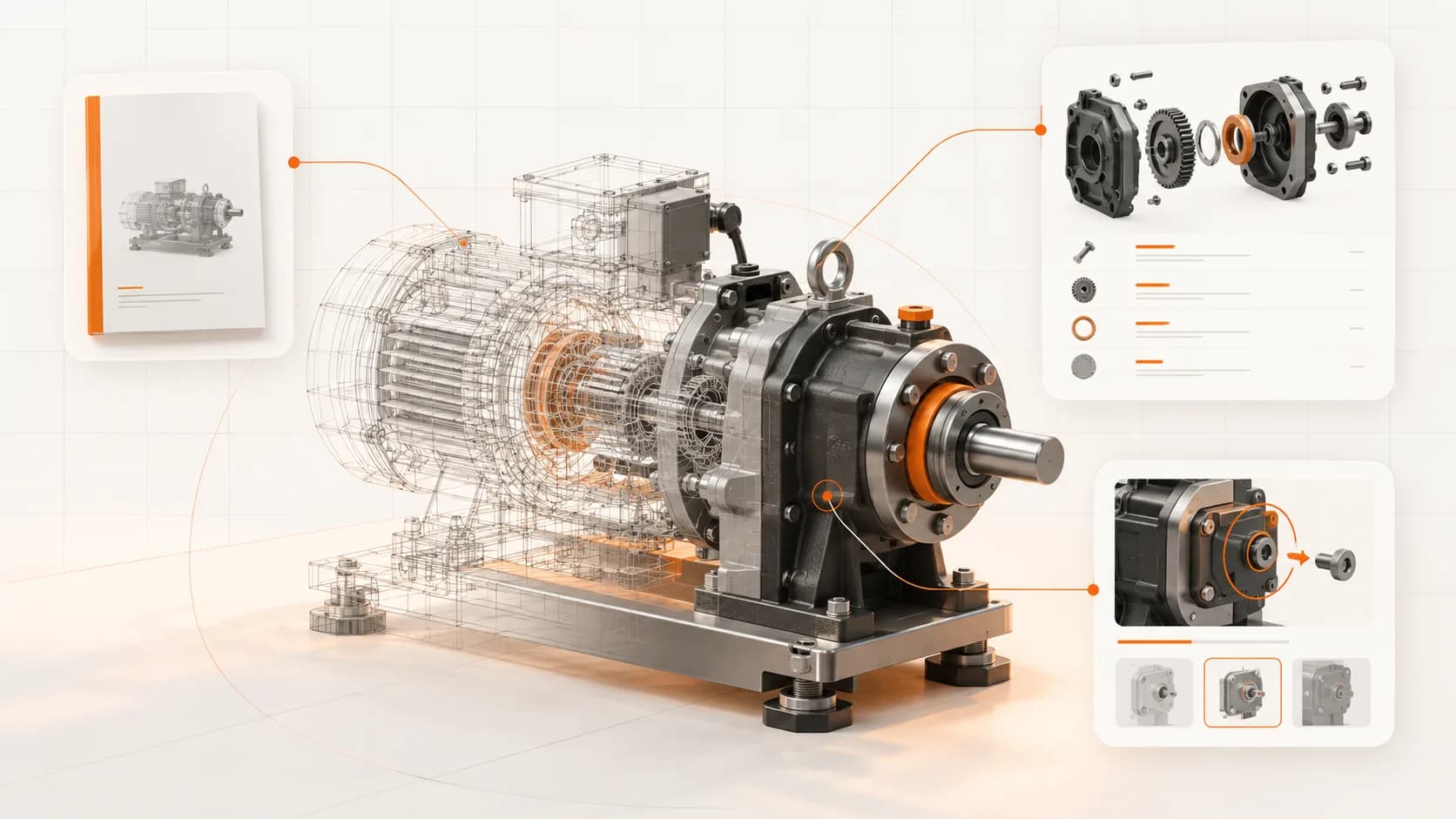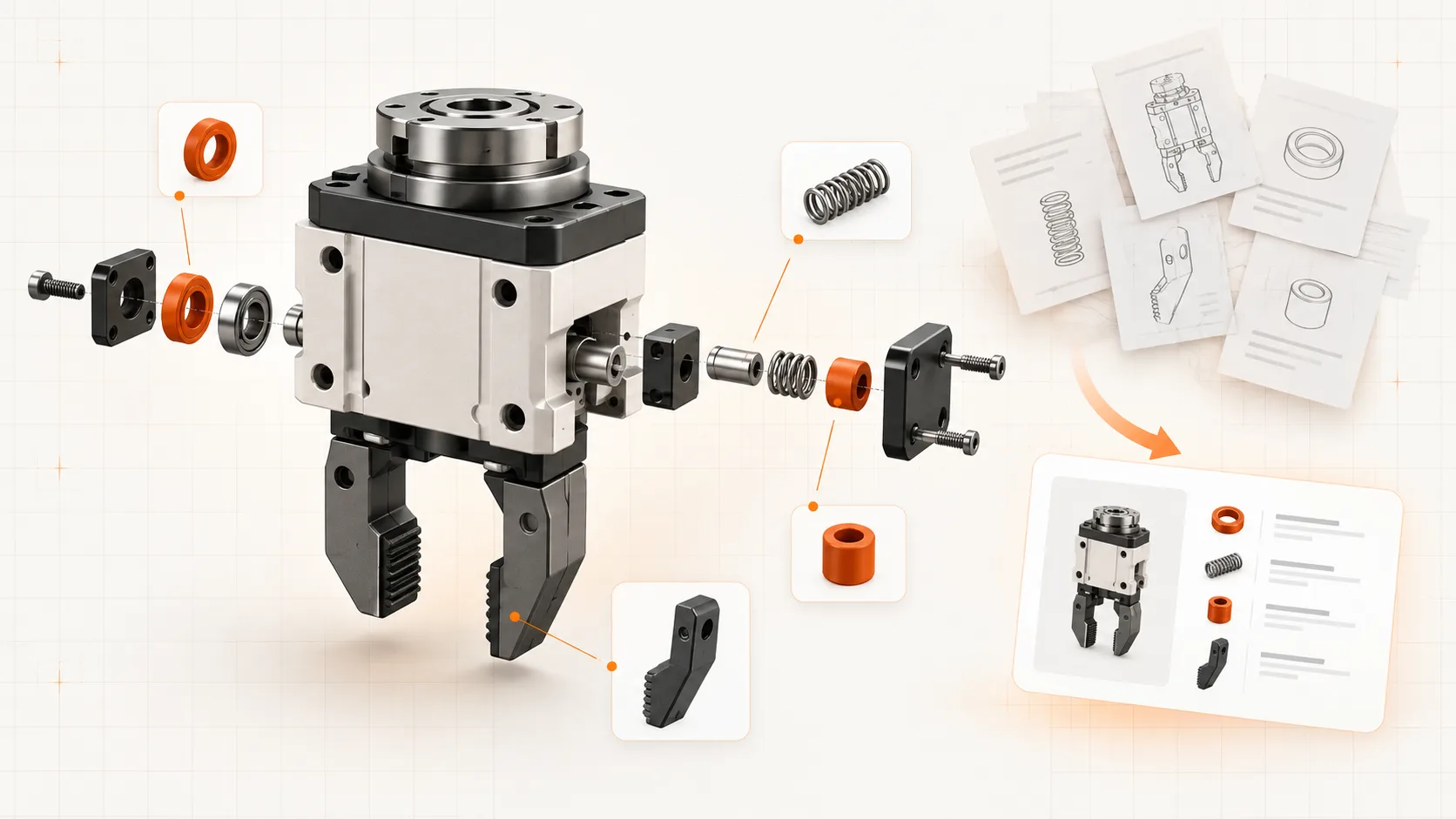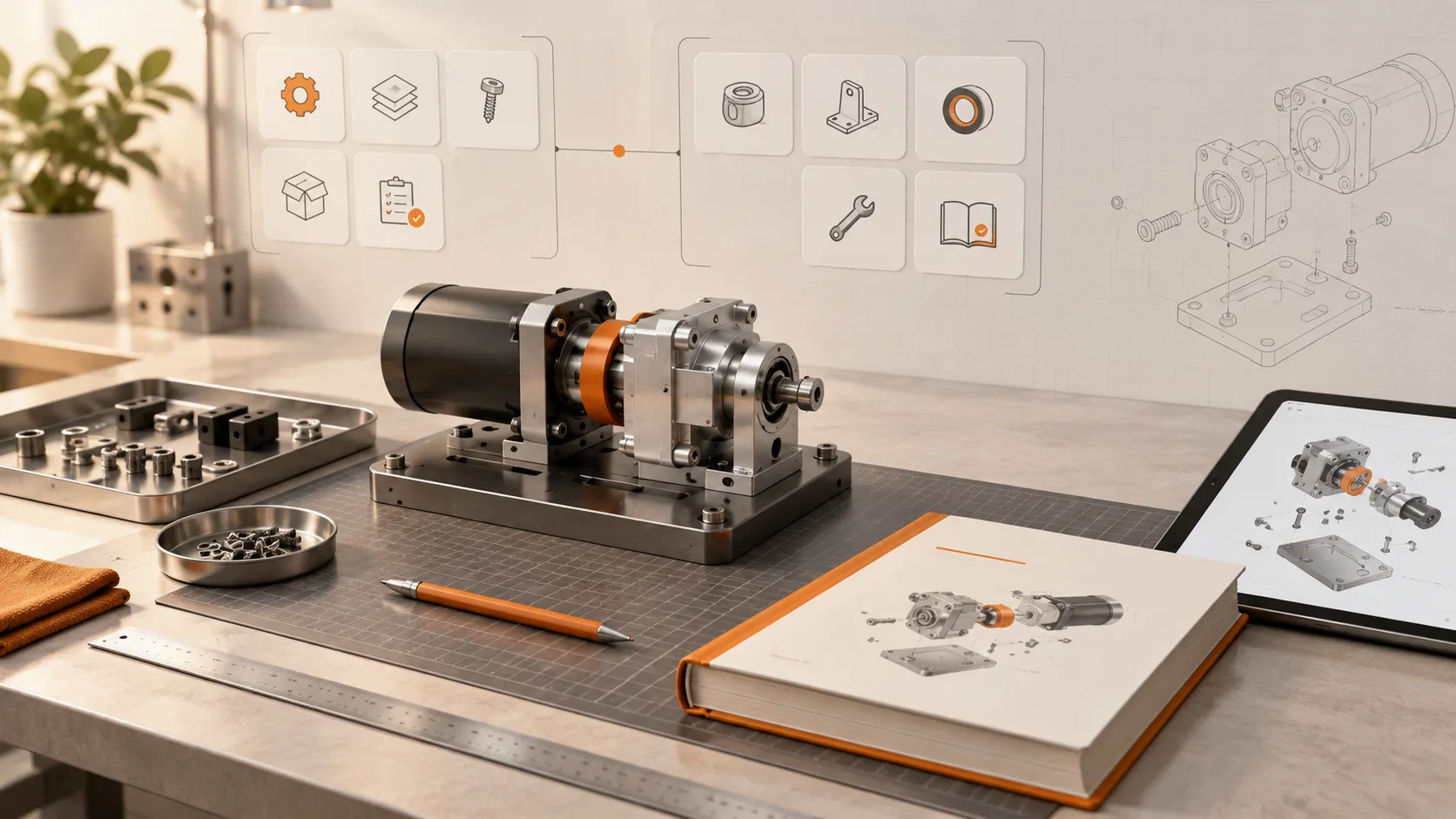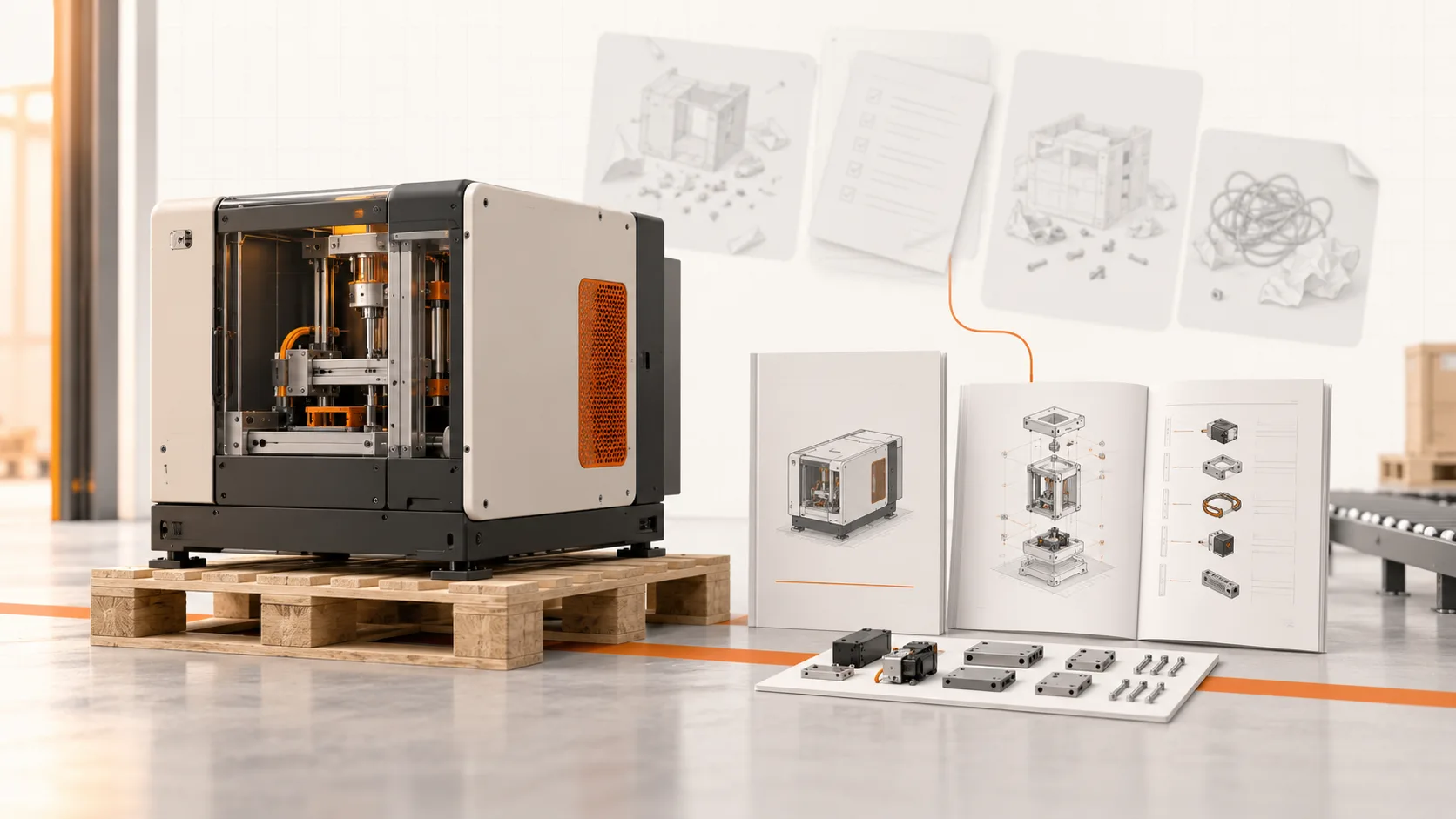
The machine is ready for its final checks. The manual still contains an earlier assembly drawing, the parts list has an unresolved substitution, and someone needs to explain a procedure to the writer.
At that point, documentation competes with every other handover task. The immediate response is often to pull an engineer away from the machine.
The recurring problem is usually a missing connection between engineering changes and documentation work. Starting earlier helps when that connection is part of the plan.
Separate reusable content from machine-specific content
Prepare common material while the machine is being designed and built: terminology, document structure, standard procedures, and approved instructions for shared assemblies.
Mark provisional content clearly. Identify which sections depend on the final configuration and what evidence will be needed to complete them.
This lets the team make progress without pretending the design is frozen. It also makes late changes easier to locate.
Assign sources and owners
A manual draws on information from engineering, purchasing, software, suppliers, assembly, and service. “Finish the documentation” is too broad a task to give one person without those inputs.
For each deliverable, identify the source owner, author, reviewer, and publication owner. Decide where questions are recorded and how unresolved issues reach someone who can answer them.
A writer can organize and explain a procedure. They should not have to guess which of two conflicting drawings reflects the machine.
Include documentation in change review
When a component or procedure changes, ask what the customer-facing information must change with it.
A replacement component may affect the illustration, spare-parts reference, maintenance instruction, and supplier documentation. Some changes apply to new builds only; others affect machines already in service.
Record that applicability with the engineering decision. Reconstructing it at the end of the project takes time and can leave older machines with unsuitable instructions.
Capture practical knowledge while it is available
Assembly and commissioning can reveal details that are hard to recover later: how a component is accessed, what must be checked first, and where a technician is likely to hesitate.
Record useful explanations when the work takes place, subject to the team’s normal controls. Connect each recording or note to the machine and task it describes.
Treat that material as a source for review. A recorded workaround should not automatically become an approved maintenance method.
Define the documentation milestone
Agree what is required for the relevant release or handover milestone. Depending on the project, this may include instructions, parts information, declarations, supplier documents, training material, and customer access.
Check the project’s applicable requirements and contractual commitments. A missing document may affect acceptance or payment where the agreement makes it a condition; that is not identical across every OEM contract.
Give the documentation review enough time to resolve issues before the milestone. A deadline without reviewer availability is only a date in the schedule.
Test the customer’s starting point
Before handover, open the documentation as the customer will receive it.
Can the reader identify the applicable machine and revision? Can they find a common maintenance task and the relevant service part? Do links and downloads work with the intended permissions?
Record the released set so later updates can be understood in context.
Soply can help turn recordings, CAD, and files into a coordinated documentation set. Start with an upcoming machine handover and trace one procedure from its engineering sources through review to customer access. That will show where the current process needs attention.