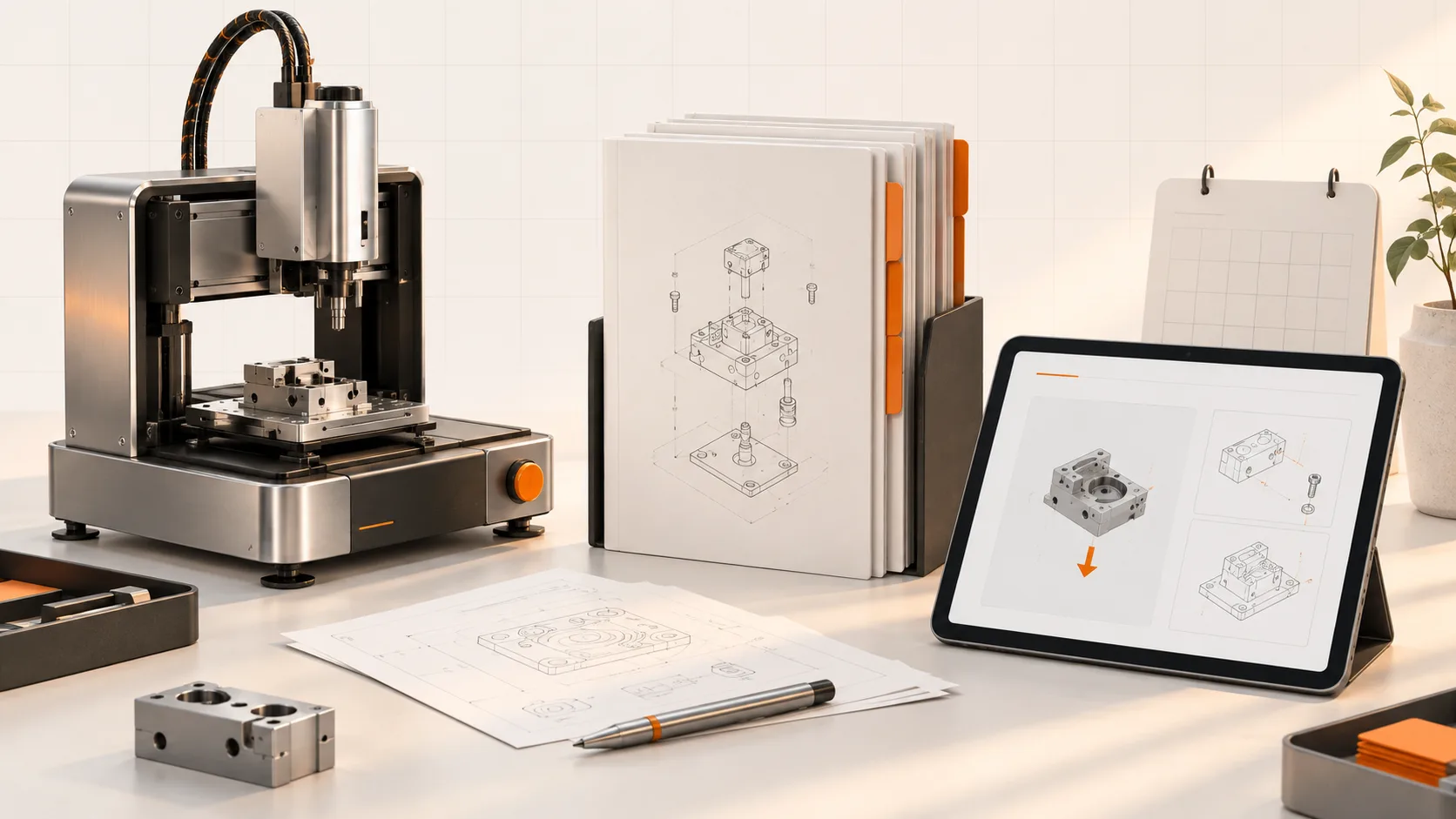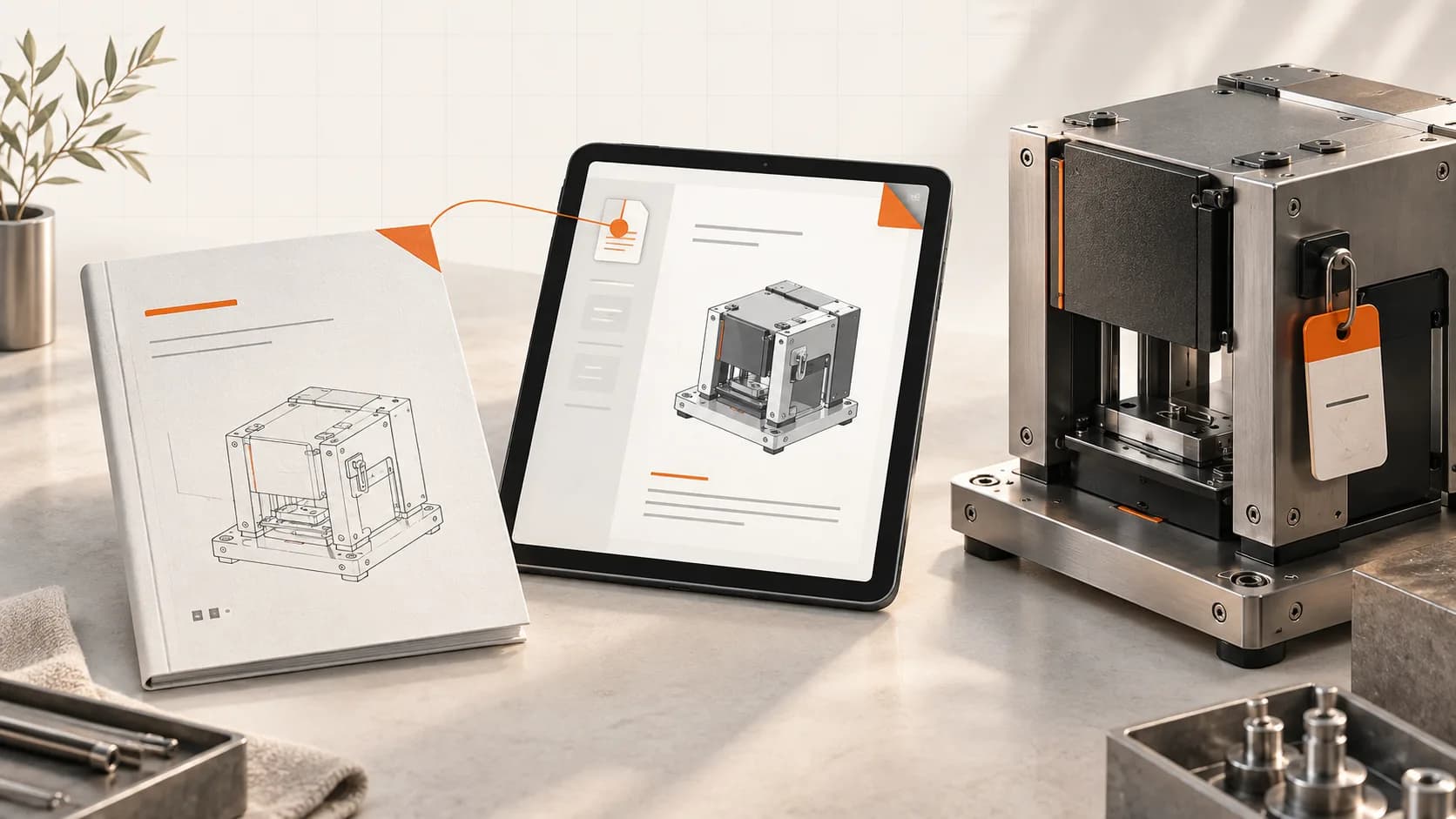
Can a machine builder replace the printed manual with digital instructions?
Under Regulation (EU) 2023/1230, which generally applies from 20 January 2027, the answer is yes, subject to conditions. The important decision is how you provide lasting access to the right instructions, including when the machine or its internet connection is unavailable.
Article 10(7) is the starting point. The guidance below concerns instructions for machinery and related products; partly completed machinery has separate provisions for assembly instructions. Current regulation text.
Show the user how to get the instructions
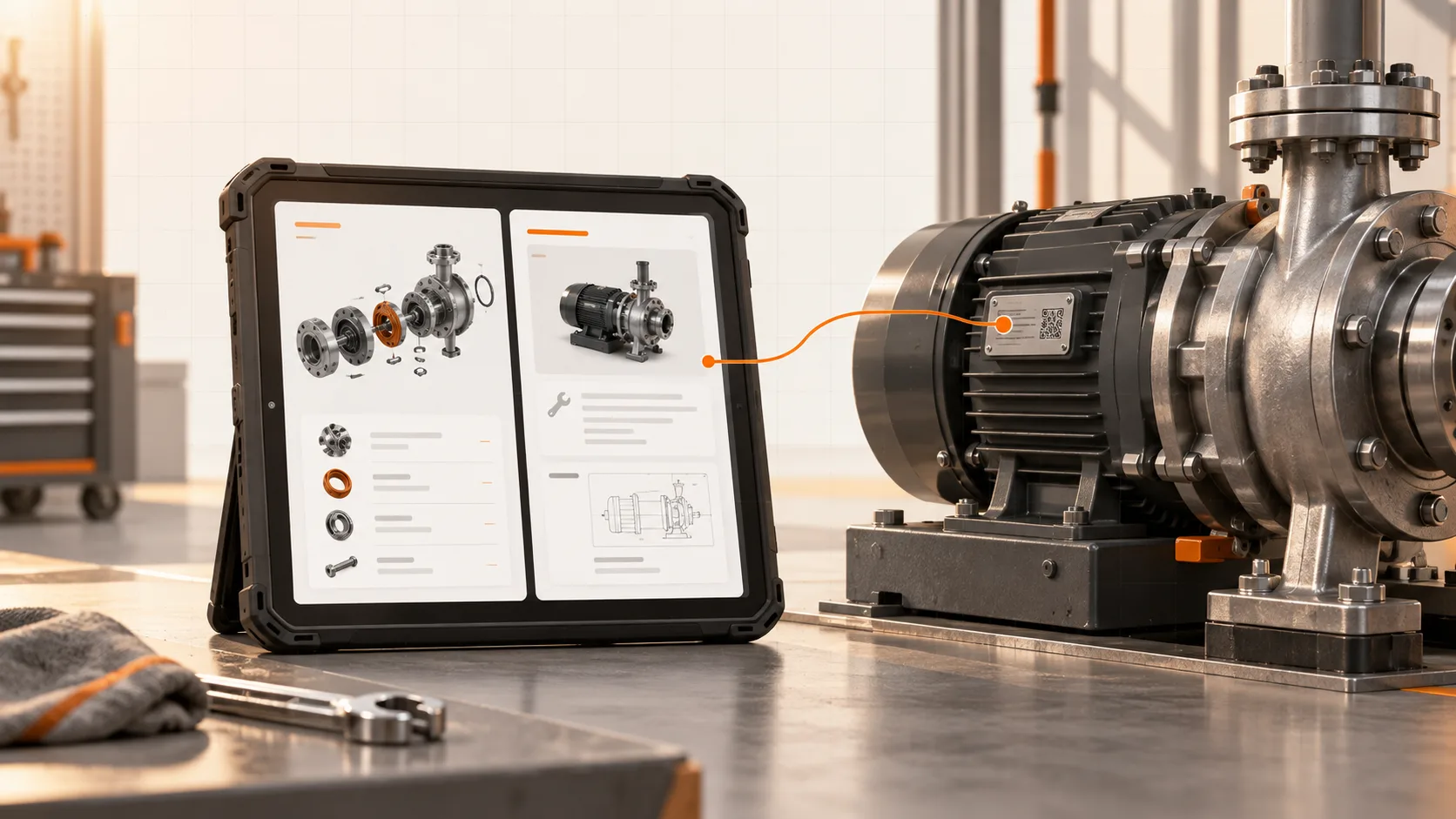
The regulation requires manufacturers choosing digital delivery to mark how to access the instructions on the machinery or related product. Packaging or an accompanying document is the fallback where marking the product is not possible.
A durable URL or machine-readable code can provide that route. In practice, check the destination, not just whether the code scans. The user should reach the instructions for the relevant product model without guessing which similarly named file to select.
Make link ownership part of the handover process. A label may remain on a machine long after the website team changes its content structure.
Let users download, save, and print
The digital format must allow users to print the instructions, download them, and save them on an electronic device for access at any time, particularly during a breakdown. The requirement also applies when instructions are embedded in the machinery’s software.
The regulation specifies capabilities rather than a particular file type. PDF can be useful, but a PDF label on a button is not the test: the exported instructions need to be complete, readable, and usable.
Try the actual failure scenario. Save the instructions, disconnect the device, and check whether the necessary content remains available. Information that only works while the machine’s HMI is running needs another accessible route.
Plan for the expected lifetime, with a ten-year minimum
Digital instructions must remain accessible online during the expected lifetime of the machinery and for at least ten years after it is placed on the market.
These periods overlap. This does not mean the expected lifetime plus another ten years. If the expected lifetime is longer than ten years, the longer period matters.
Assign responsibility for hosting, backups, stable links, and migration. Include an export and continuity plan in your supplier discussions so access does not depend on one employee or an undocumented subscription renewal.
Keep a paper-request process
If the user requests paper instructions at the time of purchase, the manufacturer must provide them free of charge within one month.
That requires coordination between sales, documentation, and fulfilment. Capture the request, identify the applicable model and language, and track delivery. Producing paper from the approved source helps avoid maintaining two conflicting editions.
There is also a separate requirement for machinery intended for non-professional users, or foreseeably usable by them: essential safety information for putting it into service and using it safely must be supplied on paper. This requirement concerns that essential safety information, not automatically the entire manual.
Digital delivery does not reduce the content requirements
Instructions still need to meet the applicable content and language requirements. A searchable portal cannot compensate for missing residual-risk information, an unreviewed translation, or a procedure for the wrong configuration.
Keep a record of what was released and which machines it covers. Revision control and approval records are practical ways to manage that work; they should not be presented as a certification issued by the software.
Before changing your delivery method, review the arrangement against Article 10(7) and Annex III with the person responsible for your machinery’s conformity assessment.
Soply supports the creation and delivery of OEM documentation. For a pilot, bring one manual and your proposed access route. We can test the publishing workflow while your compliance owner checks the obligations for the product.
Discuss your digital documentation setup.
This is general information. Product-specific obligations require a conformity assessment appropriate to the machinery.